


Unlocking Leadership, Resilience and Self-Confidence: The Power of the CCF


Across the UK, the Combined Cadet Force (CCF) is going strong; it can boast more than 130,000 cadets with contingents in over 500 schools across the UK.
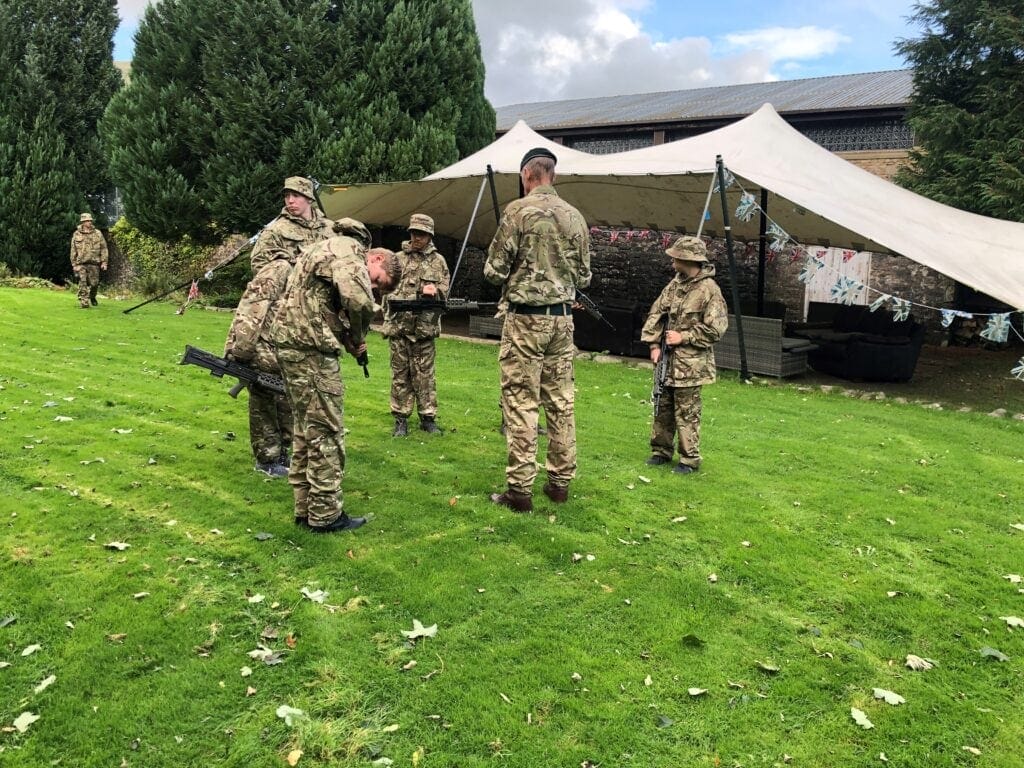
At Sedbergh, the origins of what is now the CCF unit can be traced back to the formation of the Rifle Corps in 1901. The Rifle Corps formed a Company of 2nd (Westmorland) Volunteer Battalion of the Border Regiment. School records show that the First Commanding Officer, the Headmaster, Capt Lowry held the first ‘Drill’ on November 9th 1901. At Sedbergh we now have contingent sections of the army, pipes and drums and navy.
The CCF is a popular choice for pupils who join for a range of reasons. Heritage is a prime motivator, some of the boys are second and third generation of military families, whilst some are looking forward to learning shooting and marksmanship. Others can’t wait to start on fieldcraft and survival skills. Although the CCF is clear that it is not a recruiting proposition for the defence force, a select few pupils, including Alex and Marcus, are looking to build experience ahead of applications to the military after leaving Sedbergh. A couple of Sedbergh pupils apply each year.
I’m hoping to enter officer training at Sandhurst to maybe enter the paras or grenardiers. I started my application a couple of weeks ago. After the basic documents I’ll hope to get an interview.
I switched to this [army cadets] at Easter last year from the pipe band, I’m the pipe major now. I want to get experience before I go in.
Alex, Year 13
Marcus, Year 12
For me I always had it as an idea that the military was an option and have always had Pathfinders in my mind. The reason for that is, for me, I want to be able to show to myself that I can do it and there’s no reason why I can’t be one of the first people going into possibly dangerous ground. It’s just the hazard of the role.
Cadets is different to other clubs and everything else. Since joining cadets I have gained more confidence and become more organised. I have developed belief in myself; I can do anything I put my mind to.
Benedict, Year 13, Head of CCF 2023
I enjoy learning new skills every week and opportunities that CCF brings like our yearly summer camp.
I also love everyone’s perseverance and determination within our section ( whether that comes from being part of Sedbergh School or Sedbergh CCF I’m not sure) this was most recently highlighted at our 2023 summer camp were we won the Altcar Cup (we were judged on a whole range of criteria over our time at Altcar, and also had a day specifically designed for earning points, during which our section composed completely of year 9 pupils managed to beat some sixth form sections.
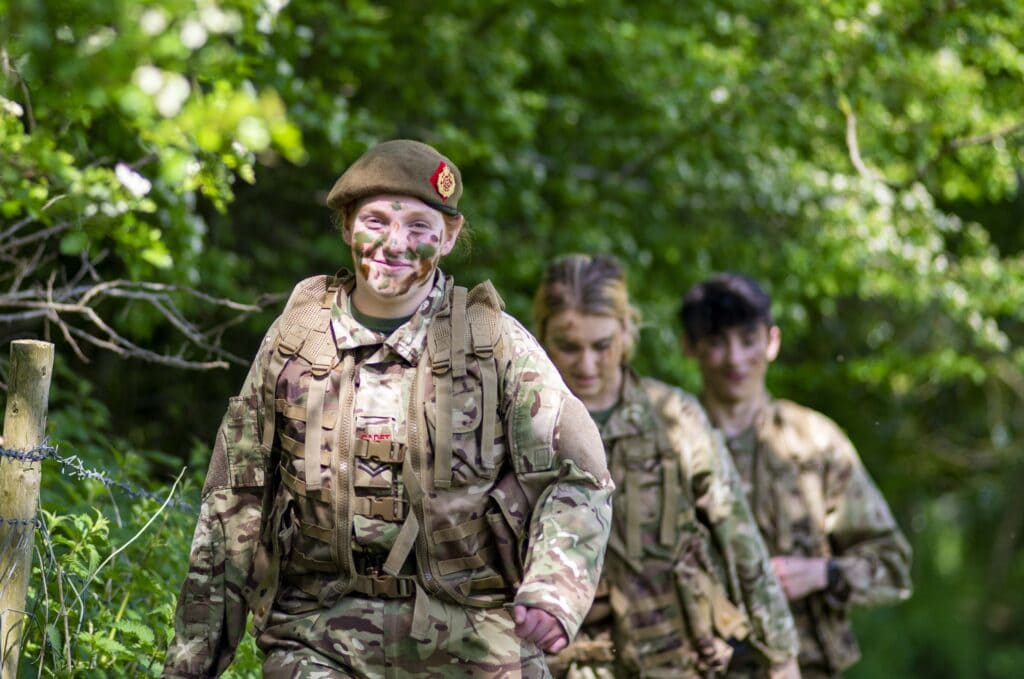
Being a part of the CCF has taught me some really important life skills. I’ve become a better leader, learned how to stay organised by keeping my gear in check, and developed discipline through regular routines like boot cleaning. I have also gained other skills such as: Being able to fully strip, clean and reassemble a rifle, understanding and being able to teach others about camouflauge & marksmanship principles, being able to teach – as an NCO (non commissioned officer) you are expected to teach principles and skills you’ve learnt to cadets. I’ve learnt basic first aid (tourniquets, slings etc), survival skills (making fires and shelters) and many more interesting skills.
There is clearly an image that it is heavily involved in the army and many people believe that if you join the cadets you must join the army or do some form of military service.
Marcus, Year 12
When people think CCF is all about signing up for the military, I explain that while it does teach military skills, it’s not just a boot camp. It’s a versatile program that gives you leadership, discipline, and practical skills that can be useful in many areas of life, not just the military.
Benedict, Year 13, Head of CCF 2023
What skills do cadets learn?
In addition to physical skills such as navigation, fieldcraft, camouflage, weapon handling and first aid cadets learn highly-transferable, real-life skills. Following is not an exhaustive list, but it highlights the skills that Sedbergh pupils have said they most benefited from.
Leadership – CCF members often have opportunities to take on leadership roles, which can help them develop leadership qualities such as decision-making, teamwork, and effective communication.
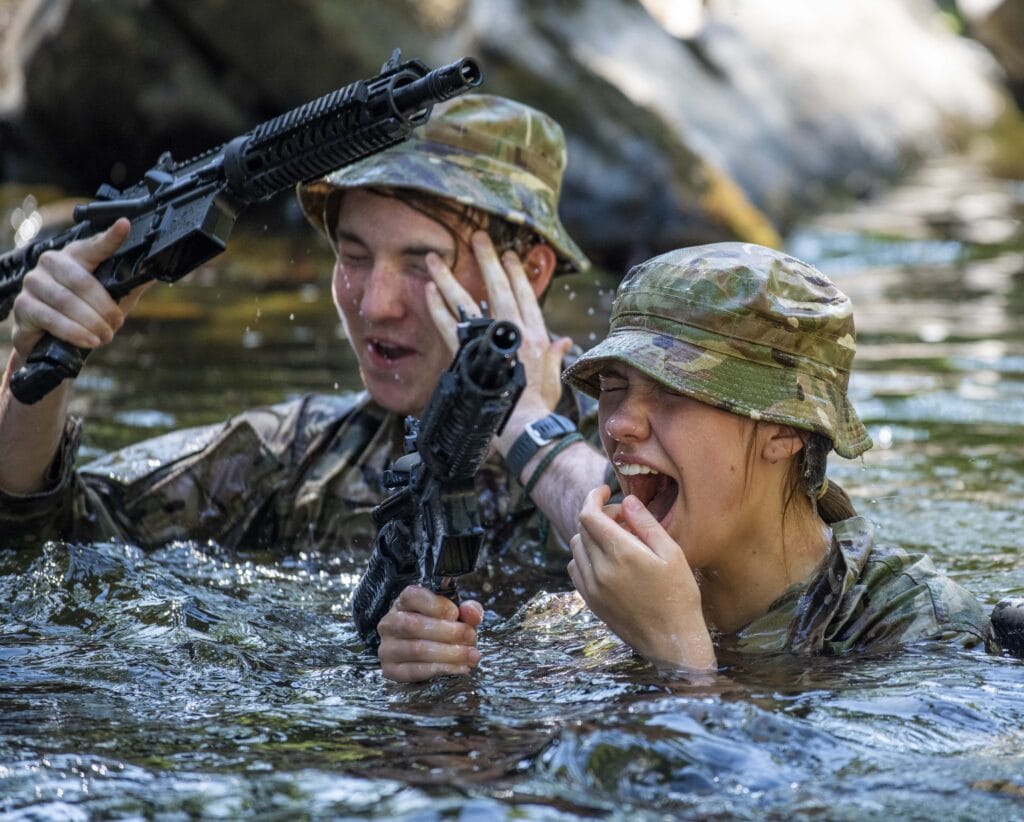
Resilience – Through challenging training exercises and outdoor activities, CCF members learn to push their limits, persevere through adversity, and develop resilience in the face of physical and mental challenges.
Discipline – The CCF emphasizes discipline and a strong sense of responsibility, teaching participants the importance of punctuality, following orders, and maintaining high standards of behavior.
Problem-solving – CCF activities often require participants to think on their feet and find creative solutions to complex problems, fostering problem-solving and critical thinking skills.
Self-confidence – Overcoming challenges and achieving success in CCF activities can boost self-confidence and self-esteem, helping participants believe in their abilities.
Teamwork – Working in a cadet unit requires effective teamwork and cooperation. CCF members learn to collaborate with others, share responsibilities, and contribute to the success of the team.
Time management – Balancing CCF commitments with school and other activities teaches participants valuable time management skills, helping them prioritize and organize their responsibilities.
Communication skills – CCF members often need to communicate clearly and effectively with peers and superiors, honing their interpersonal and leadership communication skills.
Jess, Old Sedberghian currently studying Aerospace Engineering at Queens University, Belfast.
You can read Jess’ SED Talks interview.
I started doing CCF in year 10. For me, it was definitely a confidence building thing. It wasn’t that I was shy when I first started – it’s more that I’ve always known what I wanted to do but I haven’t always been the best at articulating it. Going into the CCF and being able to find my own feet and learn about leadership and learn how different leaders work has really helped me go into uni and know that it’s OK to just express yourself in different ways.
What pathways are there after Sedbergh?
Although the cadets is a youth organisation – so only available at School – CCF cadets can benefit from a wide range of skills and experiences that can be applied to various paths after leaving high school.
Higher Education: Most of our CCF cadets go on to pursue higher education at colleges and universities. The skills developed in the CCF, such as leadership, discipline, and teamwork, can be advantageous in the academic environment.
Military Careers: Some CCF cadets choose to pursue careers in the armed forces. The CCF provides a solid foundation in military training and discipline, making it a natural transition for those interested in joining the military.
Reserve Forces: CCF cadets can join reserve forces such as the Army Reserve, Royal Naval Reserve, or Royal Air Force Reserve. Their CCF experience can be a valuable asset in these roles.
Public Service: The leadership and citizenship skills learned in the CCF can be beneficial for careers in various public service sectors, including law enforcement, firefighting, and emergency services.
Volunteer Work: Many CCF cadets develop a strong sense of community service and continue to engage in volunteer work or humanitarian efforts after leaving high school.
Adventure and Outdoor Pursuits: Some cadets pursue careers related to outdoor activities, adventure tourism, or expedition leadership, drawing on the outdoor experiences gained.