





At Sedbergh Preparatory School, we encourage all pupils to immerse themselves with the various branches of performing arts, be it music, dramatic art or speech. As a school, we set out to enable as many pupils as possible, of all ages and standards to experience performing to public audiences and displaying their creative talent.
Performing Arts
MUSIC
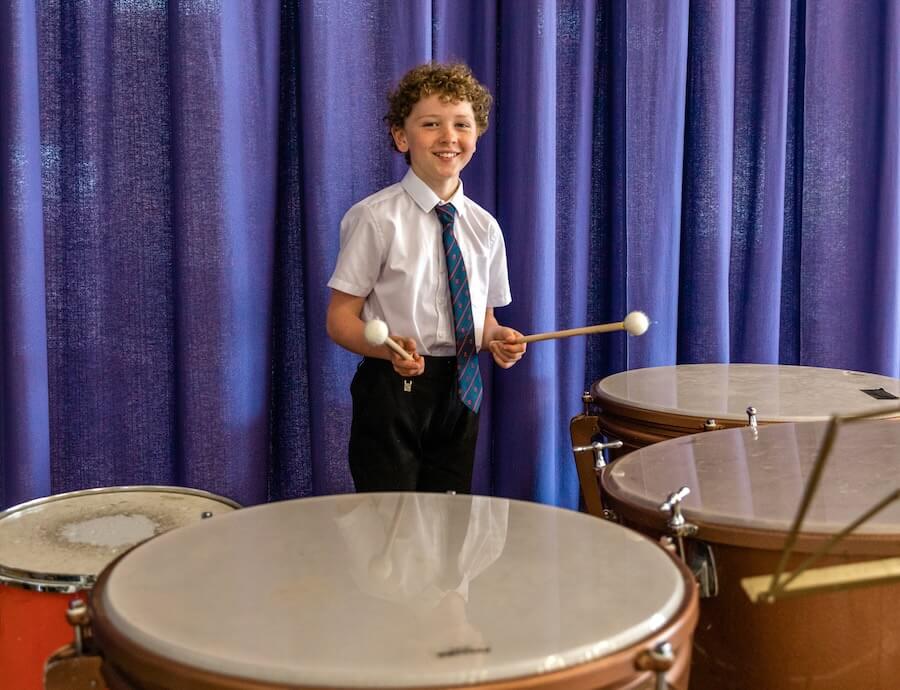
At Sedbergh Prep we recognise the profound impact that music can have on a child’s development and the unique way that it interweaves with all subjects within school. It is a fundamental part of the Sedbergh Spirit. The School promotes the study of both academic music and performance skills; we firmly believe in a philosophy of “music for all” whilst encouraging and enabling those who excel to realise their potential. All pupils are encouraged to express themselves musically and achieve a high standard of musicianship, whatever their ability.
Music is delivered in the classroom as a core subject, from Pre-School upwards, by a music specialist and encouraged beyond the curriculum via a plethora of instrumental and vocal ensembles. Expert, peripatetic music teachers provide additional paid tuition to pupils on a 1:1 basis. A wide range of instruments, for beginners through to more advanced musicians, is taught, covering orchestral and band instruments, popular and orchestral percussion, bagpipes, harp, voice and piano.
We offer many opportunities for performance, through singing and by playing an instrument, as a soloist and/or as part of a group. The aim is to develop pupils’ appreciation and enjoyment of music, to develop self-confidence, team-building skills and a good feeling of self-esteem. Group activities, whether large instrumental ensemble, choral, whole class, small group, or whole school, help pupils to work together as a team. Concerts, services, choir tours and school productions support the pupils to appreciate the rewards of their efforts through public performance.
Music binds the school together in key events throughout the acdemic year: House music competitions, the Christmas carol service, weekly chapel services, Exeat concerts, weekly music assemblies, musical clubs and tours. The department forges key relationships with other subject areas through cross-curricular planning and the staging of at least four productions of the year that involve every child within the Prep School.
SINGING
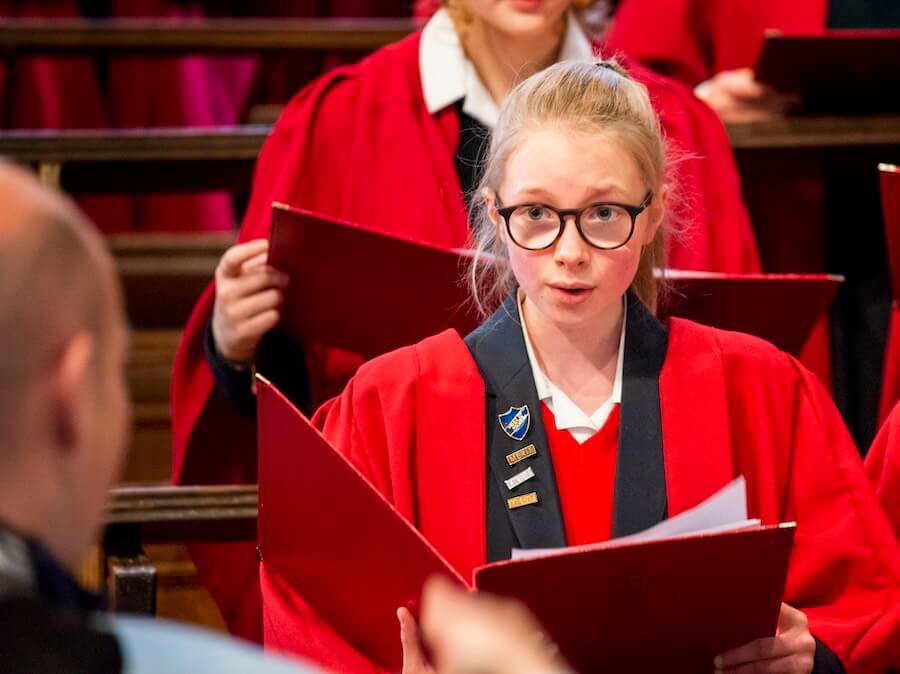
Sedbergh School was founded as a singing school in the 16th Century and, to this day, singing is a fundamental part of Sedbergh life. Both Sedbergh Prep School and Sedbergh School maintain this tradition and are proud of their heritage. At the Prep School whole-school singing is encouraged in all school assemblies and at the end-of-term concerts. Children sing during curriculum music lessons and there are several choirs in school, including a Cub Choir, Junior Choir, Senior Choir, Boys’ and Girls’ Choirs and a Staff Choir.
“….. If we all sang in school every day there would be fewer social problems. You don’t need money to sing. You don’t need to buy an instrument – you have one. Singing develops talent, brings comradeship and enhances lives.”
Stephen Layton
Director of Music, Trinity College, Cambridge
DRAMA
We believe that creativity helps inspire our children to become courageous and ambitious learners. Weekly performing arts lessons enable pupils to enjoy drama as a subject in its own right, and as a learning medium that is essential to the development of important skills including:
- Positive communication
- Expression
- Recognising and processing emotion
- Creative solutions
- Delivering and receiving constructive criticism
Pupils from Year 3 to 8 actively explore a range of topics in their weekly lessons, including creating productions, basics of stage craft, immersive theatre and acting on screen. Our Head of Drama injects a huge amount of energy and enthusiasm into their lessons, which are built around three key areas:
Creating: encompasses the many processes and activities employed when exploring, devising, shaping and interpreting drama.
Performing: covers the skills and knowledge displayed when enacting, presenting and producing dramas, including the use of theatre technology.
Responding: incorporates reflecting on both emotional and intellectual reactions to the drama. This reflection is deepened as pupils gain a knowledge and understanding of how drama is created.
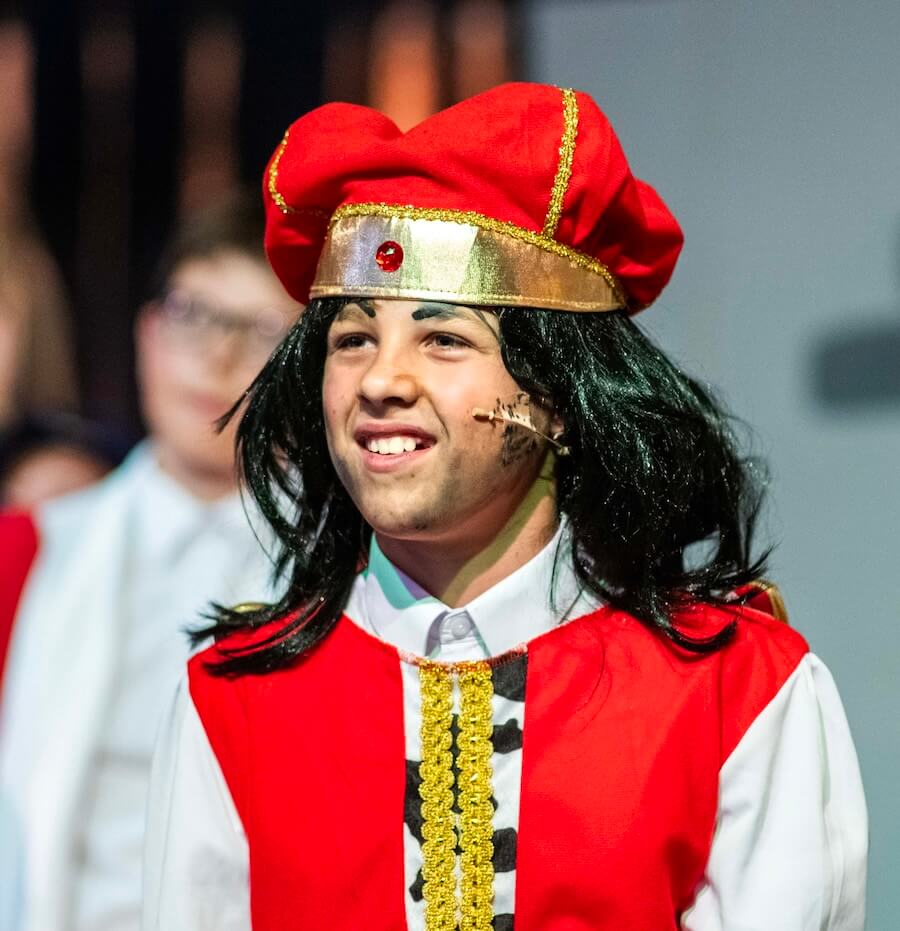
Each year, pupils take part in one of four highly anticipated drama and music productions: a nativity for Pre-Prep, a Christmas musical for Years 3 to 5, a summer muscial for Years 6 and 7 and a film production written by the Head of Drama and produced, directed and edited by the Year 8 pupils. Our aim is to instil in pupils a passion for performance that will last a lifetime.
LAMDA
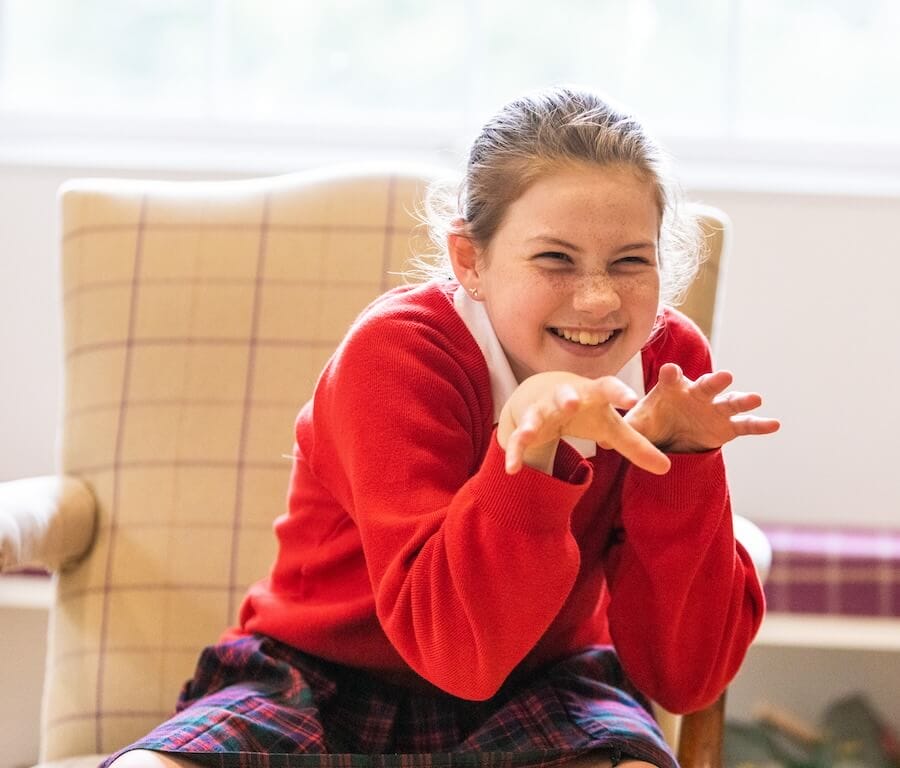
Many children choose to take additional lessons in speech and drama with a one of our specialist LAMDA teachers. The development and use of communication and language are at the heart of a child’s learning. LAMDA offer exams in speech and drama, designed to support the development of communication, language and literacy skills. These provide a platform for children to gain confidence, work as a team, articulate their thoughts and improve their self-confidence.
When preparing for and taking a LAMDA examination, a pupil will learn how to prepare and plan – an invaluable skill for life. They also help develop responsibility, resilience and reflection skills and support their performance in other subjects, giving children a real sense of achievement.